
The Science Behind Kivara
A new scientific perspective on neurodegenerative disease — one that begins with metabolism, listens to the earliest biological signals, and aims to act years before symptoms appear.
The Progression of Alzheimer's Disease Begins Long Before Symptoms
Neurodegenerative diseases develop silently over many years before memory loss or cognitive impairment become apparent. Earlier detection creates the opportunity for earlier intervention, clinical trial enrollment, and improved patient outcomes.
- 01Healthy BrainBaselineNormal cellular function with no detectable pathology.
- 02Early Molecular ChangesYears before symptomsSubtle metabolic and cellular shifts begin silently.
- 03Protein MisfoldingSub-clinicalAmyloid-β and tau proteins lose normal conformation.
- 04Amyloid & Tau AccumulationSub-clinicalPathological aggregates form plaques and tangles.
- 05Neuronal DamageSub-clinicalSynaptic loss and inflammation accelerate.
- 06Cognitive DeclineSymptomaticMemory, language, and reasoning become affected.
- 07Advanced Alzheimer'sLate stageSevere atrophy and loss of independent function.
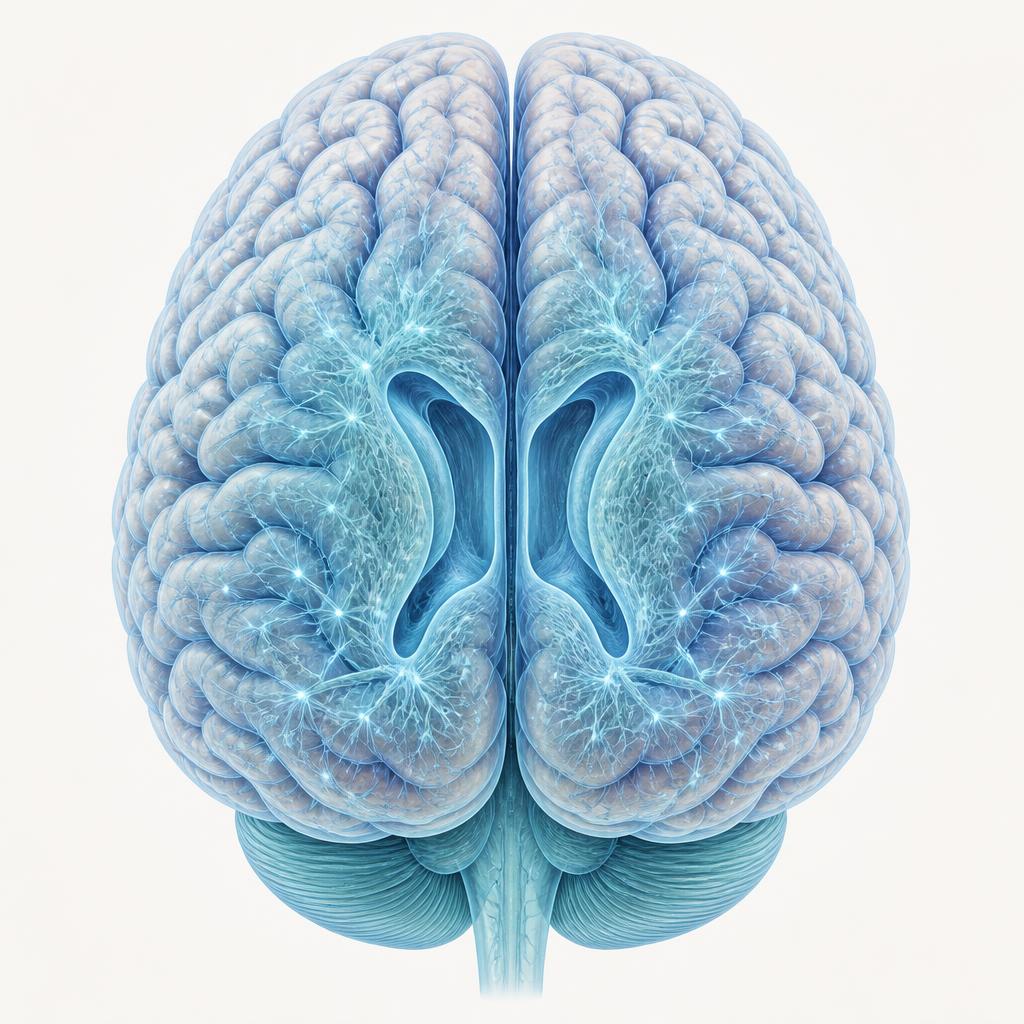
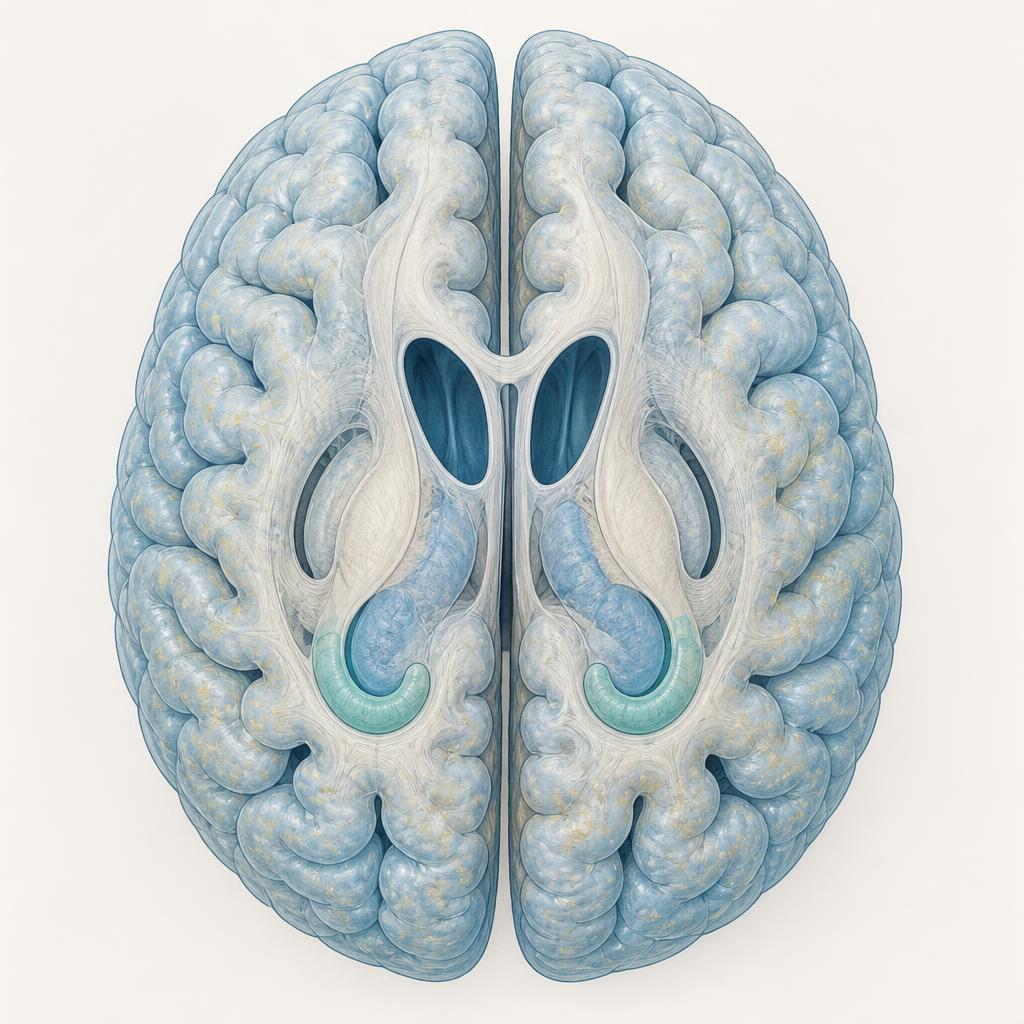
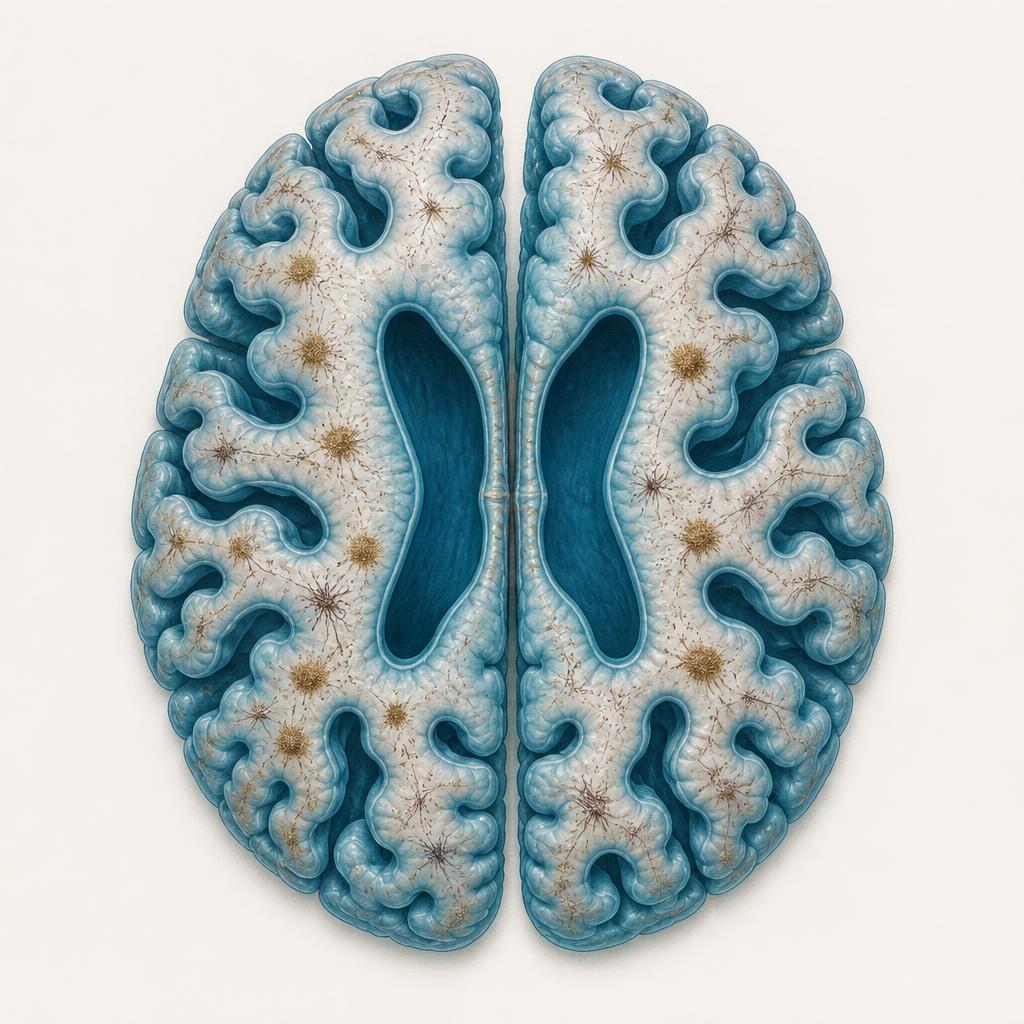
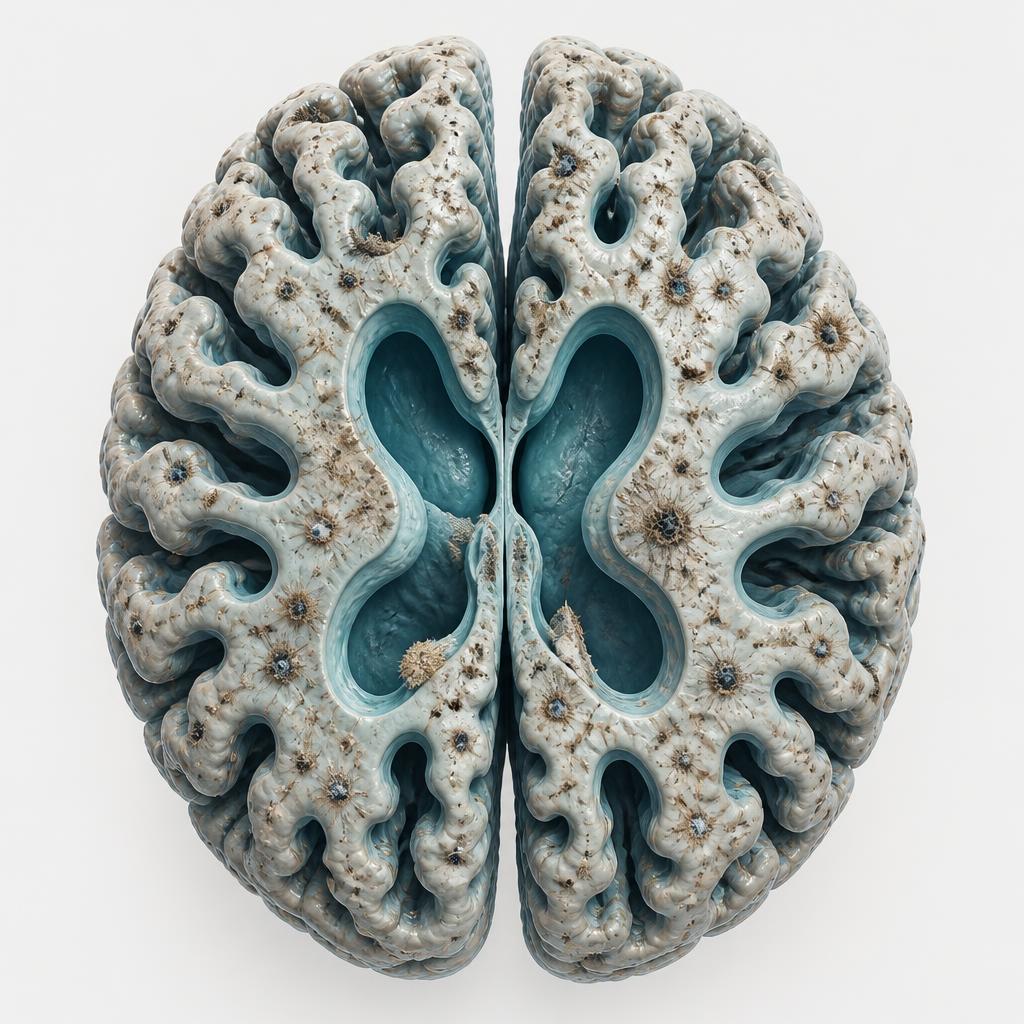
How Alzheimer's Reshapes the Brain
Hover any brain to learn what is happening biologically — or drag the slider to scrub through disease progression.
Hover a brain to see the biological changes occurring at that stage of disease.
Why Early Detection Matters
Identifying disease before symptoms emerge changes what is medically possible.

Identify disease before irreversible neuronal loss.
Expand access to patients at the earliest stages of disease.
Track molecular changes over time using minimally invasive blood-based biomarkers.
Enable more informed clinical decisions before symptoms become severe.
The Brain and Metabolism Are Deeply Connected
Emerging research increasingly demonstrates that metabolic dysfunction and neurodegeneration are closely intertwined. Long before clinical symptoms appear, disruptions in glucose regulation, insulin signaling, inflammation, and cellular energy metabolism may contribute to changes within the brain.
Many researchers have described Alzheimer’s disease as “Type 3 Diabetes” due to the growing evidence linking impaired metabolic function with neurodegenerative processes. Individuals with insulin resistance, prediabetes, and Type 2 diabetes face significantly elevated risks of cognitive decline and Alzheimer’s disease.
At Kivara Neurosciences, we believe that understanding metabolic health may provide critical insights into neurological health years before symptoms emerge.
- Healthy Metabolism01
- Insulin Resistance02
- Inflammation03
- Cellular Dysfunction04
- Neurodegeneration05
Looking Beyond Traditional Biomarkers
Most current approaches to neurodegenerative disease detection focus on biomarkers that appear later in the disease process, after significant biological changes have already occurred. Kivara is exploring whether earlier indicators of metabolic dysfunction may help identify individuals at increased risk before substantial neurological damage develops.
- 1Symptoms
- 2Cognitive Decline
- 3Diagnosis
- 1Metabolic Changes
- 2Biological Risk Signals
- 3Earlier Identification
- 4Clinical Intervention
By evaluating metabolic health alongside established neurological biomarkers, we aim to create a more comprehensive understanding of disease progression and risk.
Powered by the InterceptIQ™ Platform
Kivara’s research programs leverage InterceptIQ™, an advanced precision diagnostic technology designed to measure biological signals associated with metabolic health and cellular stress.
One component of the platform evaluates biomarkers associated with pancreatic beta-cell injury and apoptosis, which may represent some of the earliest measurable indicators of metabolic dysfunction. By integrating these signals with clinical, inflammatory, and neurodegenerative biomarkers, Kivara is investigating novel approaches for identifying individuals at elevated risk for neurological disease.

- 01
Beta-Cell Health
Markers of pancreatic beta-cell injury and apoptosis as early metabolic signals.
- 02
Metabolic Regulation
Insulin signaling, glucose dynamics, and energy metabolism.
- 03
Inflammatory Signaling
Systemic and neuro-inflammatory pathways linked to disease progression.
- 04
Neurological Biomarkers
Established markers of synaptic, amyloid, tau, and α-synuclein biology.
- 05
Risk Stratification Analytics
Integrative models that translate biology into individual risk profiles.
- 06
KI Intelligence
The AI engine that powers InterceptIQ™, uncovering patterns across biological signals to guide earlier detection.
A New Perspective on Neurodegenerative Risk
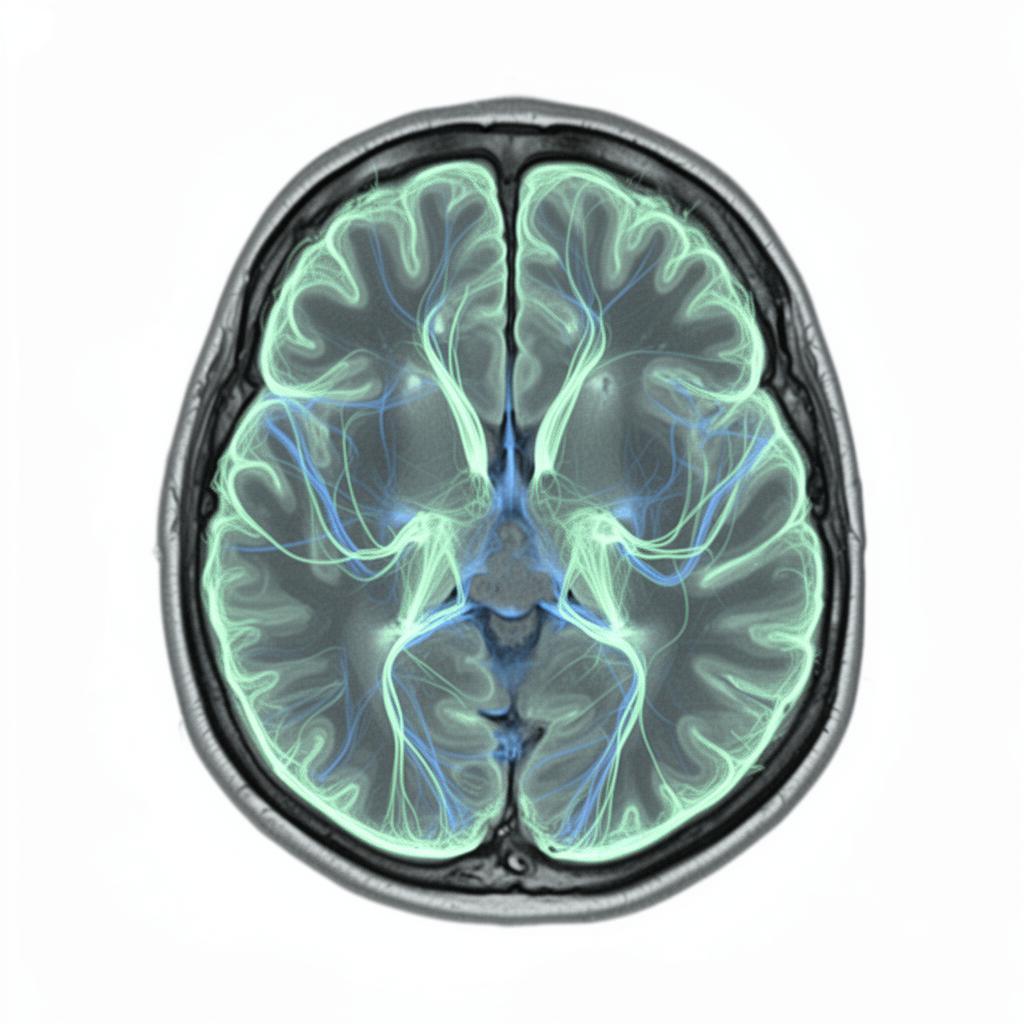
Kivara Neurosciences is investigating the hypothesis that measurable biological changes associated with metabolic dysfunction may precede and potentially contribute to neurodegenerative disease progression.
Our scientific approach seeks to evaluate whether combining metabolic biomarkers, cellular injury markers, inflammatory indicators, and established neurological biomarkers can improve risk assessment and support earlier clinical decision-making.
While research remains ongoing, this integrated approach has the potential to provide a more complete picture of an individual’s health trajectory than neurological biomarkers alone.
Building the Next Generation of Precision Neurology
Kivara Neurosciences is committed to advancing innovative diagnostic approaches that help clinicians better understand disease risk, monitor biological changes, and potentially identify opportunities for earlier intervention.
Our mission is to bridge the gap between metabolic health and neurological health through rigorous scientific research, advanced biomarker development, and precision medicine technologies.

From Blood Sample to Molecular Insight
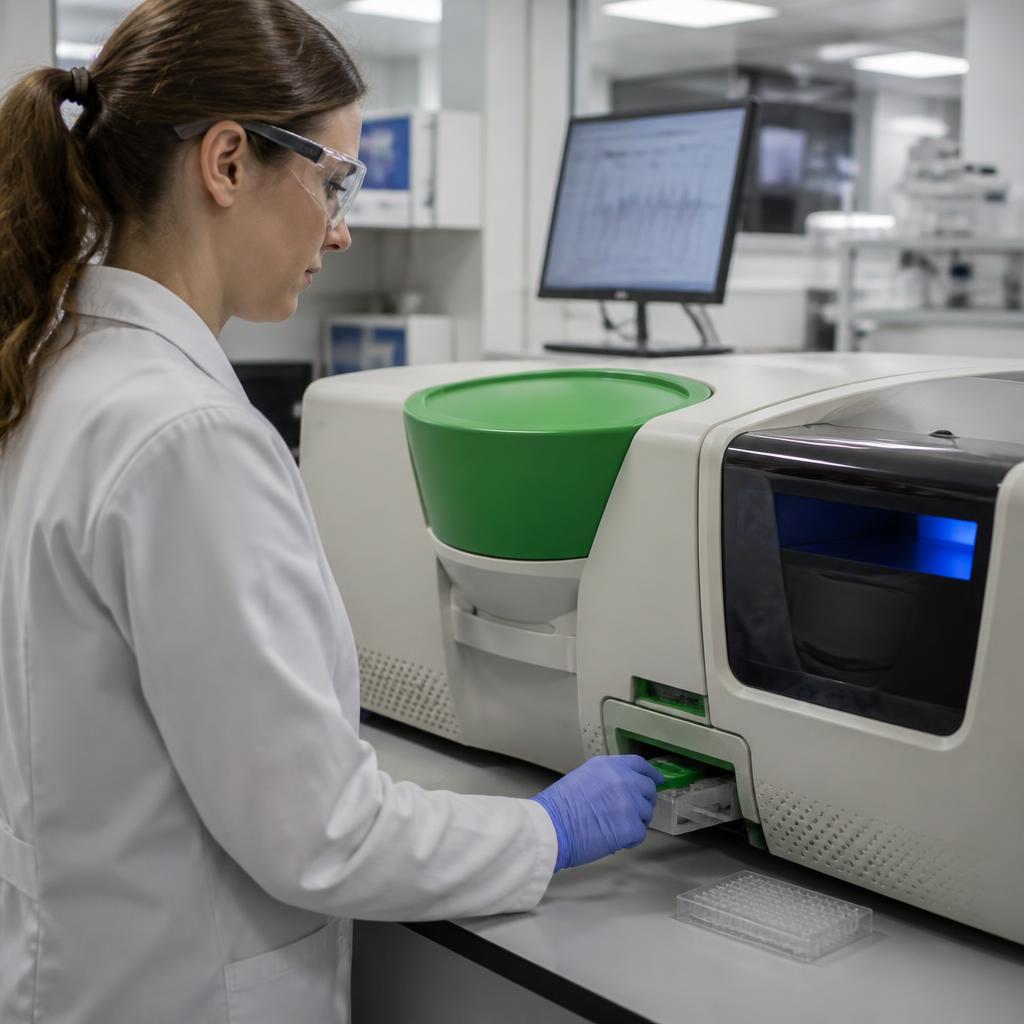
The InterceptIQ™ Platform combines advanced molecular diagnostics, neurodegenerative biomarkers, metabolic health assessment, and AI-enabled analytics to generate a comprehensive view of neurological disease biology.






- Stage 01
Blood Collection
A single venous draw into specialized plasma collection tubes initiates the workflow. Each specimen is barcoded, time-stamped, and entered into a documented chain of custody.
- Plasma-optimized tubes
- Barcoded specimens
- Chain-of-custody tracking
- Stage 02
Sample Processing
Whole blood is centrifuged to isolate plasma, then aliquoted under cold-chain conditions. Quality control checks verify hemolysis, volume, and integrity before downstream analysis.
- Centrifugation
- Plasma aliquoting
- Cold-chain handling
- Pre-analytical QC
- Stage 03
Cell-Free DNA Analysis
Cell-free DNA fragments circulating in plasma are isolated using magnetic-bead extraction chemistry. These short, tissue-derived fragments carry molecular signatures of cellular stress and injury.
- cfDNA isolation
- Fragment-level analysis
- Tissue-of-origin signatures
- Stage 04
Digital Droplet PCR
Samples are partitioned into thousands of nanoliter-scale droplets. Each droplet is amplified and read by fluorescence, enabling absolute quantification of rare molecular targets with high sensitivity.
- Droplet generation
- PCR amplification
- Fluorescent detection
- Absolute quantification
- Stage 05
Multi-Biomarker Analysis
A single plasma sample is interrogated across multiple biological domains — neurodegeneration, metabolism, beta-cell health, and inflammation — to build an integrated molecular profile rather than a single isolated readout.
- Neurodegeneration: p-tau217 & AD panel
- Metabolic: BetaIntercept™, HbA1c, Insulin, C-Peptide
- Inflammation: hs-CRP, IL-6
Neurodegeneration- p-tau217
- AD biomarker panel
Metabolic Health- BetaIntercept™
- HbA1c · Insulin · C-Peptide
Inflammation- hs-CRP
- IL-6
- Stage 06
AI & Multi-Omic Integration
AI-enabled analytics integrate biomarkers across domains, surface multi-dimensional signatures, and translate longitudinal trends into individualized risk stratification.
- Cross-domain integration
- Longitudinal trend analysis
- Risk stratification
- Predictive analytics
- Stage 07
Clinical Report
Results are assembled into a clean, clinically structured report that summarizes biomarkers, metabolic and inflammatory status, integrated molecular profile, and longitudinal trends for clinician review.
- Neurodegenerative biomarkers
- Metabolic & beta-cell biology
- Inflammatory status
- Integrated molecular profile
Report SectionsNeurodegenerative biomarkersMetabolic healthBeta-cell biologyInflammatory statusIntegrated molecular profileLongitudinal trends
One Sample. Multiple Biological Systems. One Integrated Profile.
The InterceptIQ™ Platform evaluates multiple biological domains in parallel rather than relying on a single biomarker — producing a more complete view of an individual’s molecular health.